
Tired eyes can make you look older, stressed, and less vibrant than you feel. While lack of sleep and screen time often play a role, persistent under-eye bags, drooping eyelids, puffiness, and dark circles usually require more than creams or home remedies. That is where professional treatments for tired eyes come in.
If you are considering a treatment for tired eyes, this comprehensive guide will walk you through the most effective options available today, compare their benefits and limitations, and help you determine which solution best fits your goals.
What Causes Tired-Looking Eyes?
Before choosing among professional treatments for tired eyes, it is important to understand the underlying causes. Common contributors include:
- Aging and loss of skin elasticity
- Drooping upper eyelids
- Puffy lower eyelid bags
- Fat displacement beneath the eyes
- Fine lines and wrinkles
- Volume loss and hollow tear troughs
- Chronic sun exposure
Different concerns require different approaches. The best treatment for tired eyes depends on whether your issue is skin laxity, excess fat, volume loss, or surface texture.

Overview of the Most Popular Professional Treatments for Tired Eyes
Below are the leading in-office options available today:
- Blepharoplasty (Eyelid Surgery)
- Dermal Fillers
- Laser Skin Resurfacing
- Neuromodulators (Botox)
- Radiofrequency or Skin Tightening Treatments
Each offers distinct advantages depending on your anatomy and desired results.
1. Blepharoplasty: The Gold Standard Treatment for Tired Eyes
Best for: Drooping eyelids, under-eye bags, excess skin
Blepharoplasty is a surgical procedure that removes or repositions excess skin and fat from the upper or lower eyelids. It is widely considered the most definitive and long-lasting professional treatment for tired eyes.
Benefits:
- Dramatically reduces under-eye bags
- Lifts drooping upper eyelids
- Restores a more youthful, alert appearance
- Long-lasting results (often 10+ years)
- Can improve vision in cases of severe upper lid drooping
Considerations:
- Requires downtime (typically 1–2 weeks)
- Surgical procedure with recovery period
- Higher upfront cost compared to non-surgical options
For patients with significant eyelid sagging or puffiness, blepharoplasty is often the most effective treatment for tired eyes because it addresses the structural cause rather than temporarily masking it.
2. Dermal Fillers for Under-Eye Hollows
Best for: Tear trough hollowness, volume loss
Hyaluronic acid fillers can be strategically injected beneath the eyes to restore lost volume and reduce shadowing that contributes to a fatigued appearance.
Benefits:
- Immediate results
- Minimal downtime
- Non-surgical
- Subtle, natural-looking improvement
Considerations:
- Temporary (typically 9–18 months)
- Does not remove excess skin or fat
- Requires maintenance
Fillers are ideal for patients whose tired look stems from hollowing rather than puffiness.
3. Laser Skin Resurfacing
Best for: Fine lines, wrinkles, and skin texture
Laser treatments stimulate collagen production and improve skin tone and texture around the eyes.
Benefits:
- Improves fine lines and crepey skin
- Boosts collagen
- Can complement other treatments
Considerations:
- May require multiple sessions
- Downtime varies depending on laser type
- Does not correct significant sagging or fat pads
Laser resurfacing is often used in combination with other professional treatments for tired eyes for enhanced results.
4. Neuromodulators (Botox)
Best for: Crow’s feet and dynamic wrinkles
Botox relaxes the muscles responsible for expression lines around the eyes.
Benefits:
- Quick treatment (15–20 minutes)
- Minimal downtime
- Smooths wrinkles effectively
Considerations:
- Temporary (3–4 months)
- Does not address sagging skin or under-eye bags
While Botox is an effective wrinkle solution, it is not a comprehensive treatment for tired eyes when structural issues are present.
5. Radiofrequency and Skin Tightening Treatments
Best for: Mild skin laxity
Non-invasive skin tightening technologies stimulate collagen and improve mild sagging.
Benefits:
- Non-surgical
- Minimal downtime
- Gradual, natural improvement
Considerations:
- Subtle results
- Multiple sessions may be required
- Not effective for significant excess skin
This option works best for early signs of aging rather than advanced eyelid concerns.
Evaluating Your Options: Professional Treatments for Tired Eyes Compared
| Treatment | Best For | Downtime | Longevity | Invasiveness | Ideal Candidate |
| Blepharoplasty | Sagging lids, under-eye bags | 1–2 weeks | 10+ years | Surgical | Moderate to severe eyelid aging |
| Dermal Fillers | Tear trough hollows | Minimal | 9–18 months | Non-surgical | Volume loss without excess skin |
| Laser Resurfacing | Fine lines, texture | Several days to 1 week | 1–3 years | Minimally invasive | Surface-level aging concerns |
| Botox | Crow’s feet | None | 3–4 months | Non-surgical | Dynamic wrinkles |
| Skin Tightening | Mild laxity | None to minimal | 1–2 years (with maintenance) | Non-surgical | Early aging signs |
Which Treatment for Tired Eyes Works the Best?
There is no one-size-fits-all answer. The best professional treatment for tired eyes depends on your specific concern:
- Excess skin or large under-eye bags? Blepharoplasty offers the most dramatic and lasting correction.
- Hollow or shadowed under-eyes? Fillers may be ideal.
- Fine lines and texture issues? Laser resurfacing can help.
- Wrinkles from facial movement? Botox works well.
- Mild early sagging? Skin tightening may be enough.
In many cases, combining treatments delivers optimal results.ment serves a different purpose — and the right choice depends on how you want your lips to look, feel, and move.
Why Many Patients Ultimately Choose Blepharoplasty
While non-surgical options are attractive for their convenience, they often require repeated maintenance. Blepharoplasty remains the most comprehensive professional treatment for tired eyes because it directly corrects excess tissue and fat, providing long-term rejuvenation.
For patients who want a transformative yet natural-looking improvement, eyelid surgery frequently offers the highest satisfaction rate.
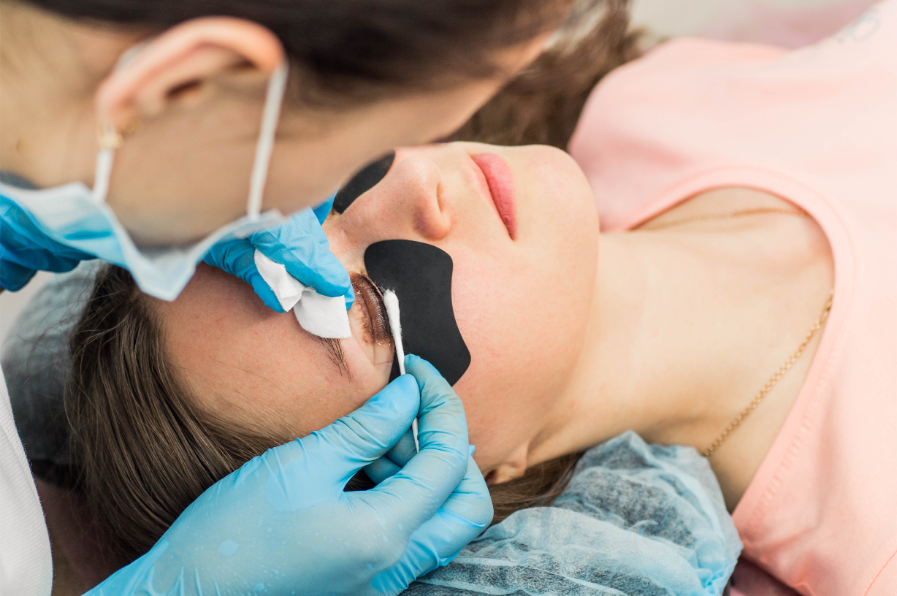
About Image Perfect Laser in Newport Beach
At Image Perfect Laser in Newport Beach, we specialize in advanced professional treatments for tired eyes tailored to each patient’s anatomy and goals. Our team is experienced in facial aesthetics and understands the delicate artistry required to rejuvenate the eye area while preserving natural expression.
Our Blepharoplasty procedure is designed to restore a refreshed, youthful appearance by removing excess skin and addressing under-eye bags with precision and care. We focus on achieving results that look elegant, balanced, and never overdone. Patients throughout Orange County trust us for personalized consultations, meticulous technique, and attentive post-procedure care.

Discover the Best Treatment for Tired Eyes in Orange County
If you are exploring professional treatments for tired eyes, the right solution begins with a personalized evaluation. Whether you are considering non-surgical options or want a long-term solution like Blepharoplasty, expert guidance makes all the difference.
If you live in Orange County and are ready to look more refreshed and confident, schedule your consultation at Image Perfect Laser in Newport Beach today. Our team will help you determine the best treatment for tired eyes based on your goals and create a customized plan to achieve natural, lasting results.
Book your appointment now and take the first step toward brighter, more youthful-looking eyes.
Frequently Asked Questions
What is the most effective treatment for tired eyes?
The most effective treatment for tired eyes depends on the underlying cause. For excess skin and under-eye bags, blepharoplasty is often considered the gold standard among professional treatments for tired eyes because it delivers long-lasting structural improvement. Non-surgical options may be ideal for milder concerns like wrinkles or volume loss.
How do I know which professional treatment for tired eyes is right for me?
The best way to determine the right treatment for tired eyes is through a personalized consultation. A qualified provider can assess whether your concerns stem from skin laxity, fat displacement, or volume loss and recommend the most appropriate professional treatment for tired eyes.
What causes eyes to look tired even when I am well-rested?
Aging, genetics, and collagen loss are common reasons eyes appear tired despite adequate sleep. Professional treatments for tired eyes address these structural and cosmetic concerns rather than just temporary fatigue.
Can professional treatments for tired eyes be combined?
Yes, many patients benefit from combining treatments. For example, blepharoplasty may be paired with laser resurfacing to improve both structure and skin texture for a more comprehensive treatment for tired eyes.