Collagen is the foundation of youthful, resilient skin. This structural protein makes up roughly 75-80% of the dermis—the layer responsible for keeping your face, neck, and chest firm, smooth, and naturally lifted. Collagen is also a key component of blood vessels and other connective tissues, supporting their integrity and function. Collagen is essential for maintaining the skin’s smoothness and elasticity, as well as facilitating wound healing. When collagen levels are abundant, skin looks plump, bounces back from expression, and maintains that lit-from-within glow.
As collagen declines, the visible consequences become harder to ignore. Fine lines deepen into wrinkles. The jawline softens. Skin along the neck and décolletage turns crepey. That loss of firmness and elasticity is not just about getting older—it is about what is happening beneath the surface. The body’s ability to produce collagen decreases with age, resulting in less collagen and more visible signs of aging.
Here is the reality: collagen production starts to slow down in early adulthood, decreasing by about 1% to 1.5% each year. For those living in sun-drenched regions like Southern California, UV exposure accelerates this breakdown significantly. The Newport Beach lifestyle—beach days, outdoor workouts, year-round sunshine—can quietly damage collagen faster than you might expect. The body’s collagen naturally declines due to aging and environmental factors, so preserving collagen formation is crucial for maintaining skin firmness and elasticity.
At Image Perfect Laser in Newport Beach, rejuvenation plans focus on stimulating new collagen while protecting what remains. Two standout treatments for collagen induction are SkinPen® Microneedling and Secret RF Fractional RF Microneedling. These advanced therapies target the dermis directly to rebuild collagen from within, delivering noticeable improvements in skin texture, firmness, and overall youthful appearance. Collagen supplementation is also a popular option believed to support skin, hair, and nail health.
This article covers everything you need to know about how to increase collagen production: the most effective professional treatments, medical-grade skincare ingredients, lifestyle strategies, strategies to preserve collagen and support collagen formation for overall skin health, and guidance on when to start based on your age and skin concerns.
Ready to take the first step? Book a personalized collagen consultation at Image Perfect Laser and discover how SkinPen® Microneedling and Secret RF can help you achieve your skin goals.
What Is Collagen and Why Does It Decline?
Collagen is a protein—the most abundant one in the human body. In the skin, it forms a dense network of fibers within the dermis that provides structure, tensile strength, and resilience. Collagen is primarily located in the dermis, the second layer of skin, where it provides strength and smoothness. Think of collagen fibers as the scaffolding that holds everything in place, keeping facial contours defined and skin texture smooth.
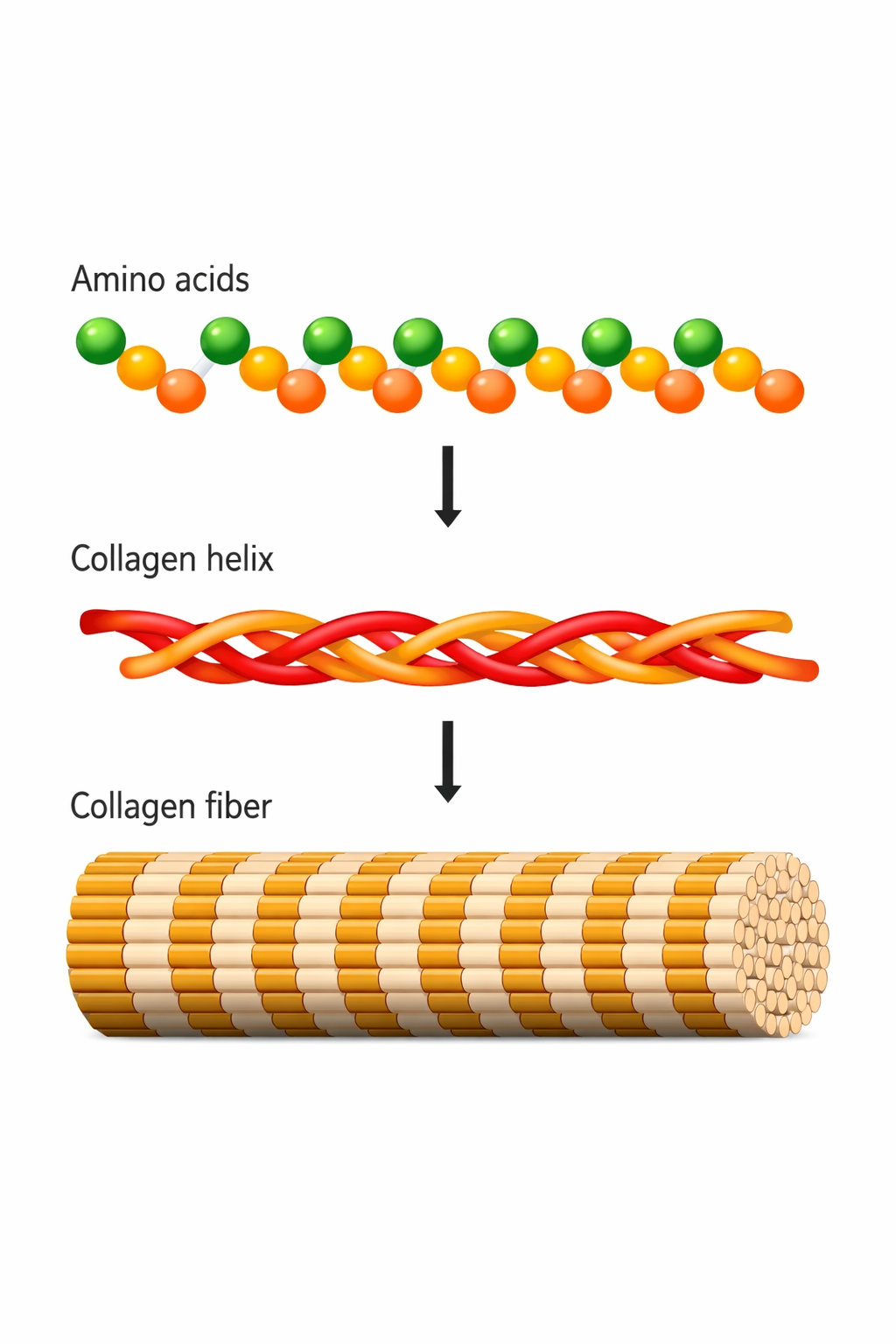
Collagen does not work alone. It functions alongside elastin (which provides elastic recoil, allowing skin to snap back after movement) and hyaluronic acid (which binds water to maintain skin hydration and volume). Supporting the body’s natural collagen formation is essential for maintaining youthful, smooth, and elastic skin, as well as facilitating wound healing. Together, these components create the plump, firm appearance associated with youthful skin.
Natural collagen production starts declining in the mid-20s. By the time most people reach their 40s and 50s, fibroblasts—the cells responsible for producing collagen—become less active. The body’s collagen naturally decreases with age, but lifestyle and skincare choices can help preserve collagen and support collagen formation. Existing collagen fibers grow thinner, more fragmented, and less organized. The result: visible laxity, deeper nasolabial folds, fine lines around the eyes, and a loss of that firm, lifted look.
Several factors accelerate collagen breakdown beyond normal aging:
- UVA and UVB exposure penetrates the dermis and activates enzymes called matrix metalloproteinases (MMPs) that actively degrade collagen
- Smoking and vaping reduce fibroblast function and collagen synthesis by 18-22%
- High sugar intake causes glycation, forming advanced glycation end-products (AGEs) that stiffen and damage collagen fibers
- Chronic stress elevates cortisol, which suppresses normal skin repair
- Inflammatory skin conditions trigger ongoing collagen degradation
Because collagen naturally declines due to aging and environmental factors, it is important to preserve collagen and support collagen formation to maintain skin health, firmness, and a youthful appearance.
Understanding why collagen decreases helps clarify the path forward: slow the loss, stimulate new production, and protect the collagen you have left.
How Aging and the Environment Break Down Collagen
Living in a sunny coastal area like Newport Beach comes with unique challenges for collagen. UV rays—particularly UVA, which penetrates deeper into the dermis—activate MMPs that break down existing collagen while simultaneously suppressing procollagen gene expression. Collagen naturally declines with age and environmental exposure, making it important to preserve collagen through protective measures. Your body’s ability to produce collagen drops while destruction accelerates.
Pollution, cigarette smoke, and even blue light from screens generate free radicals (reactive oxygen species) that damage collagen at the molecular level. These environmental stressors compound over time, further reducing the body’s ability to produce collagen and accelerating the natural decline. This contributes to premature skin aging that goes beyond what genetics alone would predict.
Hormonal shifts add another layer of complexity. During perimenopause and menopause, declining estrogen levels cause a dramatic drop in dermal thickness and collagen content—sometimes up to 30% in the first five years post-menopause. For women in their late 40s and 50s, this hormonal collagen decline often overlaps with decades of accumulated sun damage, creating more pronounced changes in skin quality.
The bottom line: collagen loss is inevitable, but its speed and severity depend heavily on controllable factors. That’s why it’s crucial to use strategies that preserve collagen and support the body’s ability to maintain healthy skin. Protecting your skin from UV damage and addressing collagen concerns proactively can significantly influence how your skin ages.
Best Professional Treatments to Increase Collagen Production
Professional treatments represent the fastest and most targeted way to rebuild collagen in specific areas—the face, neck, chest, and hands. These medical treatments work by creating controlled micro-injury or delivering heat energy to the dermis, triggering the body’s natural wound healing response. These procedures are designed to stimulate collagen production and support collagen production for firmer, more youthful skin. That response includes activating fibroblasts, increasing collagen synthesis, and promoting tissue growth over weeks to months.
At Image Perfect Laser, treatment plans are customized after an in-depth consultation. Many patients benefit from combining modalities over several months for compounding collagen gains—for example, starting with IPL to address pigmentation, then layering in RF microneedling for tightening, with medical-grade skincare to support the process at home. Ablative lasers and facial lasers create controlled damage to the skin, encouraging the growth of new collagen-producing cells.
Different devices target different depths and concerns, which is why a personalized approach matters more than any single “best” treatment. Injectable fillers add volume to the skin and stretch collagen-producing cells, which can improve the appearance of wrinkles.
SkinPen® Microneedling: Stimulate Collagen Production with Collagen Induction Therapy
SkinPen® is a leading microneedling device that uses fine, sterile needles to create precise micro-channels in the skin. These controlled injuries stimulate fibroblasts to produce new collagen and elastin as part of the natural healing response. Microneedling is one of several treatments that stimulate collagen production, helping to improve skin firmness and reduce wrinkles.
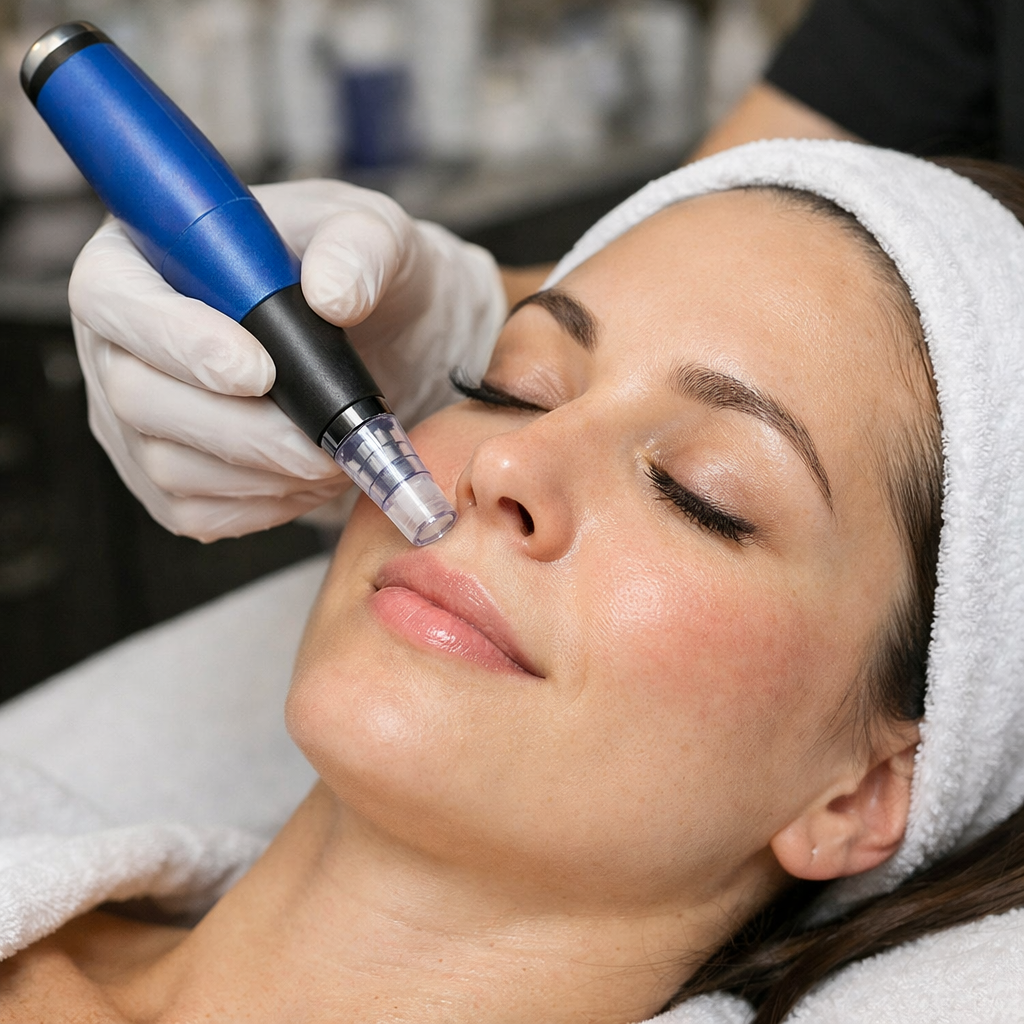
This treatment is ideal for addressing fine lines, acne scars, enlarged pores, and early laxity on the face, neck, and décolletage. SkinPen® Microneedling is suitable for all skin types and tones, with minimal downtime and a low risk of pigmentation issues.
A typical protocol at Image Perfect Laser involves 3-6 sessions spaced 4-6 weeks apart. Light redness typically resolves within 24-72 hours, and visible improvements in texture and firmness appear over the following weeks as new collagen forms.
Key benefits of SkinPen® Microneedling:
- Smoother skin texture and refined pores
- Softened fine lines and acne scars
- Improved overall skin tone and firmness
- Minimal downtime compared to ablative treatments
- Can be combined with PRP (platelet rich plasma) or targeted serums to amplify results
When combined with PRP, also known as the vampire facelift, this therapy uses your blood to naturally stimulate new collagen and tissue growth, further enhancing results.
Learn more about SkinPen® Microneedling and book your treatment at Image Perfect Laser here.
Secret RF Fractional RF Microneedling for Deeper Tightening
Secret RF combines the collagen-inducing benefits of microneedling with radiofrequency energy that heats the deeper dermis. This dual mechanism creates more significant dermal remodeling than standard microneedling alone while preserving the skin’s surface. By stimulating the production of more collagen, Secret RF leads to improved skin firmness and texture over time.
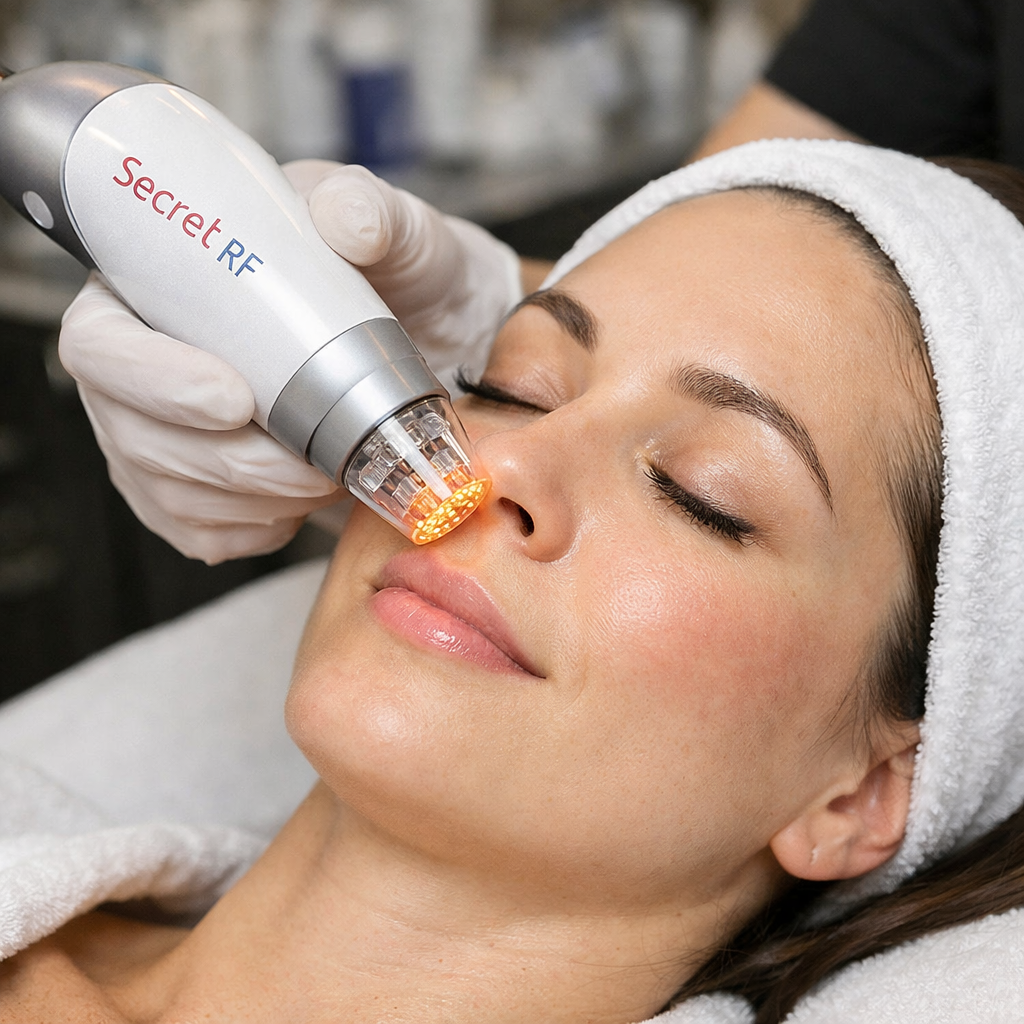
This treatment is particularly effective for mild to moderate skin laxity along the jawline, cheeks, and under-eyes. The controlled heat causes immediate collagen fiber contraction followed by long-term collagen remodeling that continues for 3-6 months post-treatment.
At Image Perfect Laser, we customize needle depth and RF energy to match your skin type, age, and specific concerns. This makes Secret RF suitable for many skin tones, including those prone to pigmentation issues with other treatments.
What to expect from Secret RF:
- Crisper, more defined jawline over time
- Smoother texture under the eyes and on the neck
- Reduced “crepe paper” appearance on décolletage
- Moderate swelling and redness for several days
- Cumulative improvement with a series of treatments
Secret RF offers a powerful option for patients seeking collagen boosting with moderate downtime and long-lasting results.
Learn more about Secret RF Fractional RF Microneedling and schedule your consultation at Image Perfect Laser here.
Complementary Treatments and Skincare
In addition to microneedling and RF microneedling, Image Perfect Laser offers IPL photorejuvenation, CO₂ laser resurfacing, AquaGold micro-injecting, PRX-Plus dermal remodeling, and chemical peels that use acid solutions to exfoliate dead skin cells and stimulate collagen production. Poly-L-lactic acid is also available as a dermal filler for facial rejuvenation, stimulating collagen production and providing longer-lasting results compared to other fillers.
Medical-grade skincare products containing retinoids, vitamin C, peptides, and broad-spectrum SPF 30 or higher optimize and maintain collagen production between treatments. Skin creams containing collagen or collagen-supporting ingredients are also popular topical options, though their effectiveness may be limited by the skin’s structure, they can still help improve skin appearance.
Natural and Lifestyle Strategies to Protect Collagen
Supporting your collagen from the inside out complements the treatments performed at Image Perfect Laser. Lifestyle changes will not replace professional treatments but can significantly slow further collagen loss and enhance treatment results. Collagen naturally declines with age and environmental exposure—such as UV rays, pollution, and certain lifestyle choices—so it’s important to preserve collagen through healthy habits.
The fundamentals include rigorous UV protection, balanced nutrition, adequate sleep, stress management, and avoiding habits that damage collagen. Daily sunscreen application is essential to prevent UV radiation from destroying existing collagen. Incorporating antioxidants into your diet may help protect and rejuvenate the skin, promoting collagen production. Limiting caffeine intake can also help preserve collagen levels, while resistance training is a lifestyle strategy shown to increase collagen production and the thickness of the dermis. Eating a diet rich in collagen-supporting nutrients further supports collagen production and overall skin health.
For residents of Southern California, practical adjustments matter—daily SPF even on overcast days, seeking shade during peak sun hours, and rethinking outdoor workout timing.
Nutrition, Hydration, and Supplements
Collagen synthesis requires amino acids—glycine, proline, and lysine—found in high protein foods like lean poultry, fish, eggs, legumes, and Greek yogurt.
Micronutrients such as vitamin C, zinc, and copper act as cofactors for collagen-building enzymes. Citrus fruits, bell peppers, leafy greens, seafood, nuts, and seeds are excellent sources.
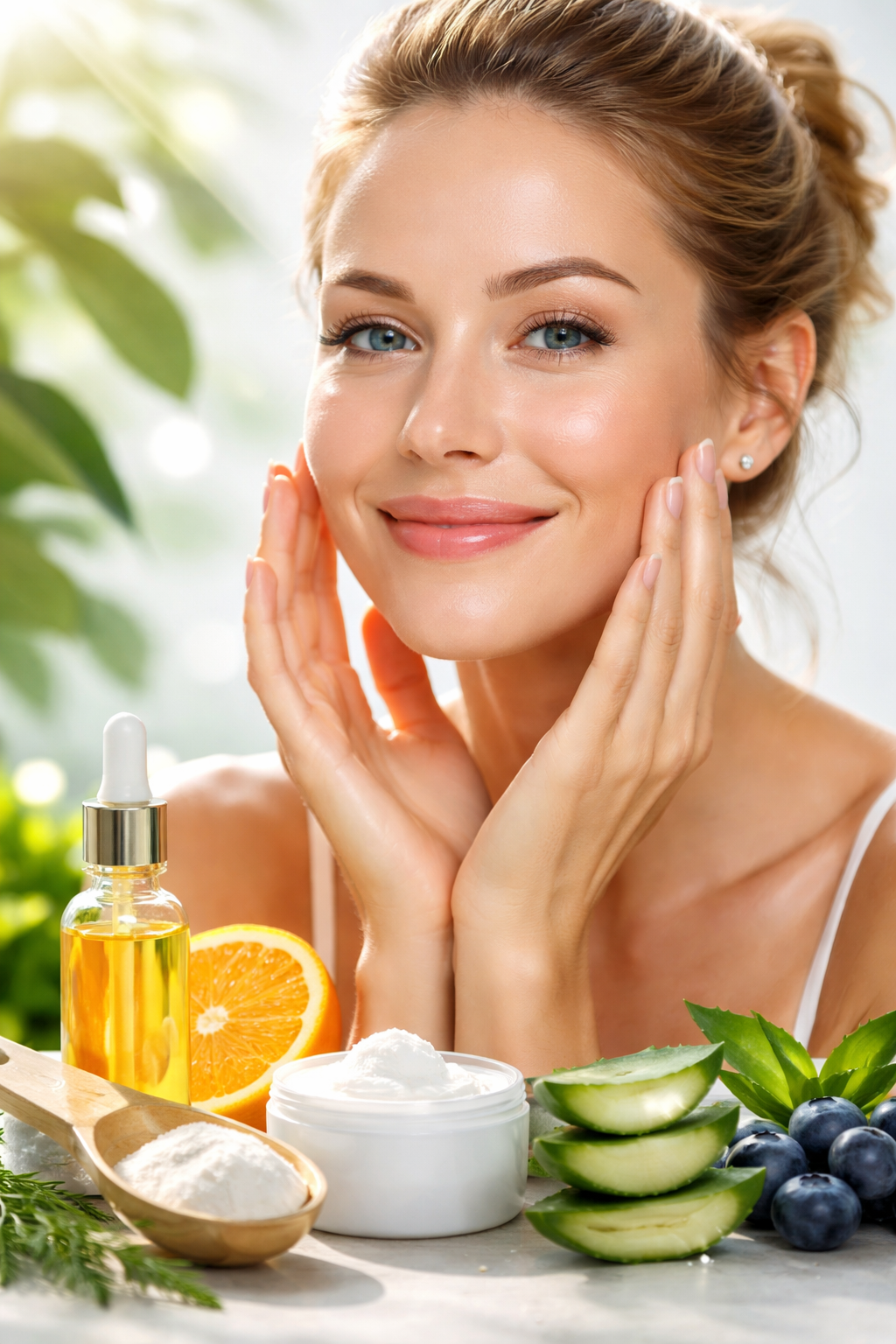
Oral collagen supplements, specifically hydrolyzed collagen peptides, have growing research support for improving skin elasticity and hydration. Hydrolyzed collagen supplements, also known as collagen peptides, are believed to be more easily absorbed by the body. Collagen supplementation has become a popular approach for supporting skin, hair, and nail health, with many people seeking its anti-aging health benefits. Bone broth is another popular dietary source that can help boost collagen production due to its high collagen content. Ginseng has been shown to increase collagen levels in the bloodstream and may help prevent aging in skin cells. A diet rich in antioxidants can help protect and rejuvenate the skin, promoting collagen production. Randomized controlled trials are used to establish the effectiveness of collagen supplements. Collagen supplements may also improve joint mobility and reduce joint pain, especially in people with osteoarthritis.
Foods that Support Collagen
What you eat plays a powerful role in your skin’s ability to produce collagen and maintain a youthful, radiant appearance. A healthy diet rich in collagen-boosting nutrients can help support collagen synthesis, improve skin elasticity, and slow the visible signs of aging skin.
Vitamin C is one of the most important nutrients for collagen production. It acts as a cofactor in collagen synthesis, helping your body produce collagen peptides and stimulate new collagen growth. Foods rich in vitamin C—like citrus fruits, bell peppers, and leafy greens—are essential for supporting your skin’s natural collagen production and protecting against collagen decline.
Amino acids are the building blocks of collagen, which is a protein that forms the foundation of your connective tissue. To boost collagen production, include plenty of protein-rich foods in your meals, such as lean meats, fish, eggs, and legumes. These foods provide the glycine, proline, and lysine your body needs to rebuild collagen and maintain skin quality.
Bone broth is another collagen-boosting staple, packed with collagen peptides that can help restore collagen stores and support joint and skin health. For added skin hydration and elasticity, look for foods containing hyaluronic acid, such as root vegetables and soy products.
To maximize your skin’s natural collagen production, focus on a balanced, whole-foods diet and limit foods that can damage collagen, like those high in sugar or processed ingredients. Excess sugar can lead to glycation, which breaks down collagen fibers and accelerates skin aging.
Habits That Accelerate Collagen Loss
Smoking and vaping reduce collagen synthesis by 18-22%, increase collagen-degrading enzymes, and accelerate wrinkle formation.
Excess alcohol, chronic poor sleep, unmanaged stress, and high sugar intake promote collagen breakdown and skin aging. These habits contribute to collagen decline, resulting in less collagen and more visible signs of aging such as wrinkles and loose skin. Collagen production starts to decline in early adulthood, decreasing by about 1% to 1.5% each year.
Even small lifestyle improvements can enhance results from your in-clinic treatments.
When Should You Start Focusing on Collagen?
In your mid-20s: Prevention is key. Establish sun protection habits, use antioxidant serums and gentle retinol, and consider occasional light treatments like IPL or mild microneedling. Supporting the body’s ability to maintain collagen formation through healthy habits at this stage helps preserve youthful skin structure.
In your 30s and 40s: Proactive collagen-induction strategies like SkinPen® Microneedling and Secret RF can meaningfully slow collagen decline and restore lost collagen. At this age, targeted treatments help address the decline in the body’s collagen and support ongoing collagen formation.
In your 50s and beyond: Combination approaches including CO₂ laser resurfacing, RF microneedling, and medical-grade skincare address deeper structural changes and hormonal collagen decline. Supporting collagen formation becomes especially important to counteract the effects of aging and maintain skin elasticity.
It is never too late to stimulate collagen. Your approach evolves based on your skin status, age, and goals. Aging skin retains the capacity for collagen remodeling with the right treatments.
Creating Your Personalized Collagen Plan at Image Perfect Laser
Increasing collagen is a long-term strategy combining professional treatments, targeted skincare, and smart lifestyle choices. A comprehensive plan should include strategies to support collagen production, preserve collagen, and promote healthy collagen formation for long-term skin health.
Your first visit includes a thorough skin analysis and discussion of your concerns. Providers then recommend a phased plan—often across 3, 6, or 12 months—tailored for your skin tone, sensitivity, and recovery preferences.
Whether you start with SkinPen® Microneedling, Secret RF, or a combination of therapies, Image Perfect Laser crafts a sustainable plan to restore collagen, reduce wrinkles, and reveal firmer, younger-looking skin.
Take the next step today. If you are in Newport Beach or greater Orange County and ready to rebuild your skin’s natural collagen, contact Image Perfect Laser to schedule your personalized consultation. Your future skin will thank you.